Jawa Barat · 2022
Pollinator corridors
Restoring native flowering plants along Java's farm edges to support local bees and butterflies.
Background
Across Java's agricultural plains, land once connected by natural vegetation corridors is now fragmented by monoculture rice, maize, and cassava. This fragmentation eliminates critical habitat for pollinating insects — wild bees, butterflies, and hoverflies — that underpin both farm productivity and ecosystem continuity.
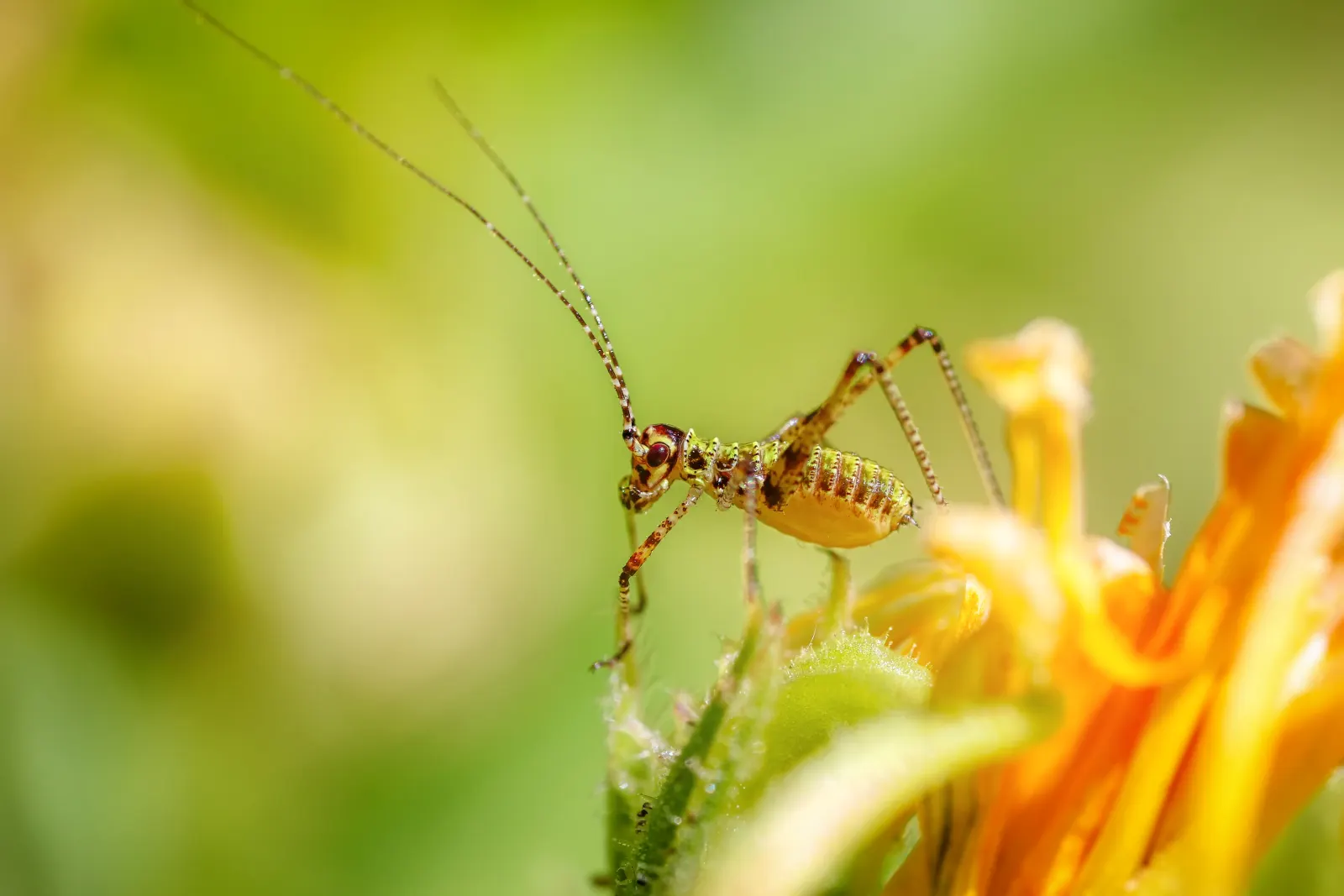
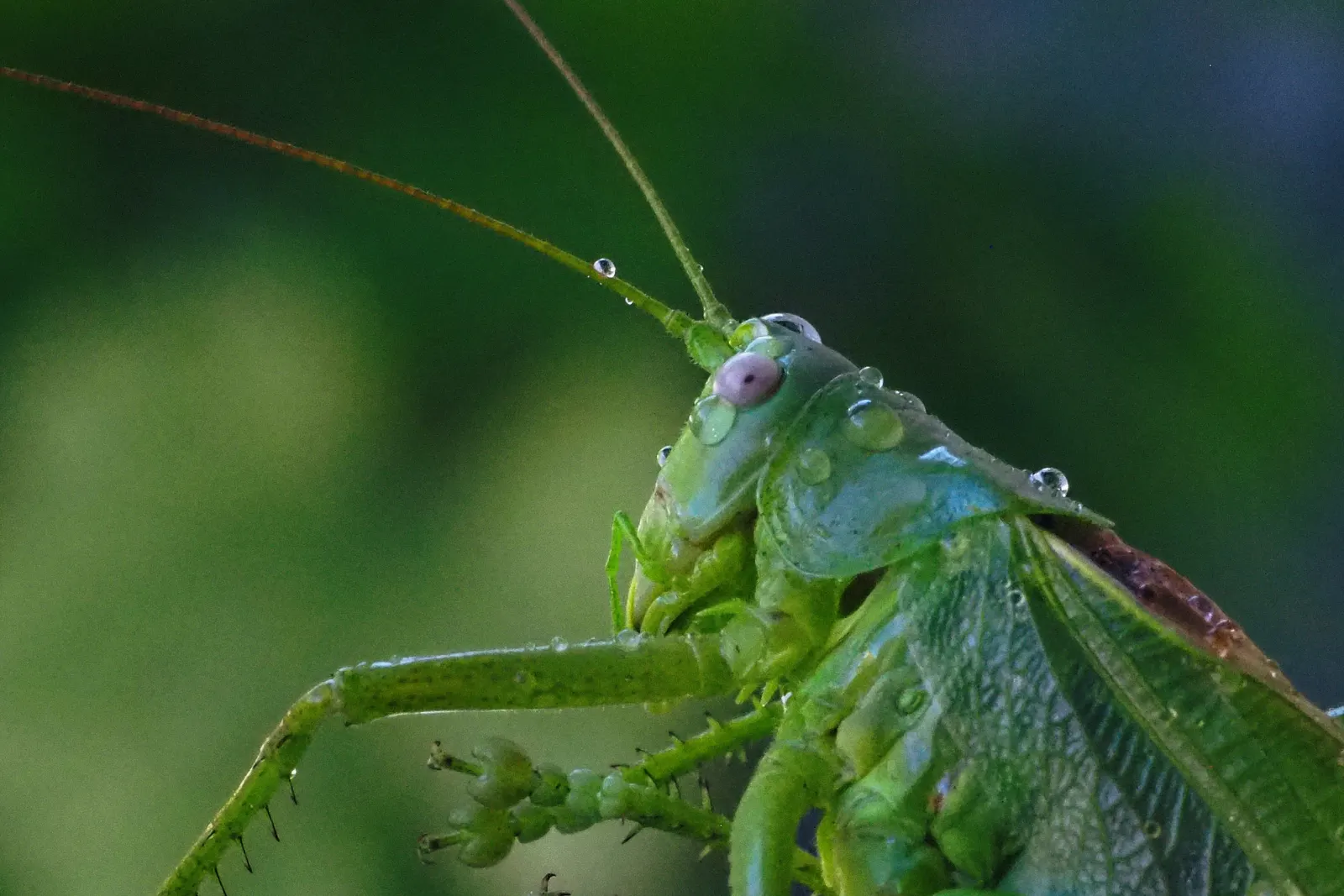
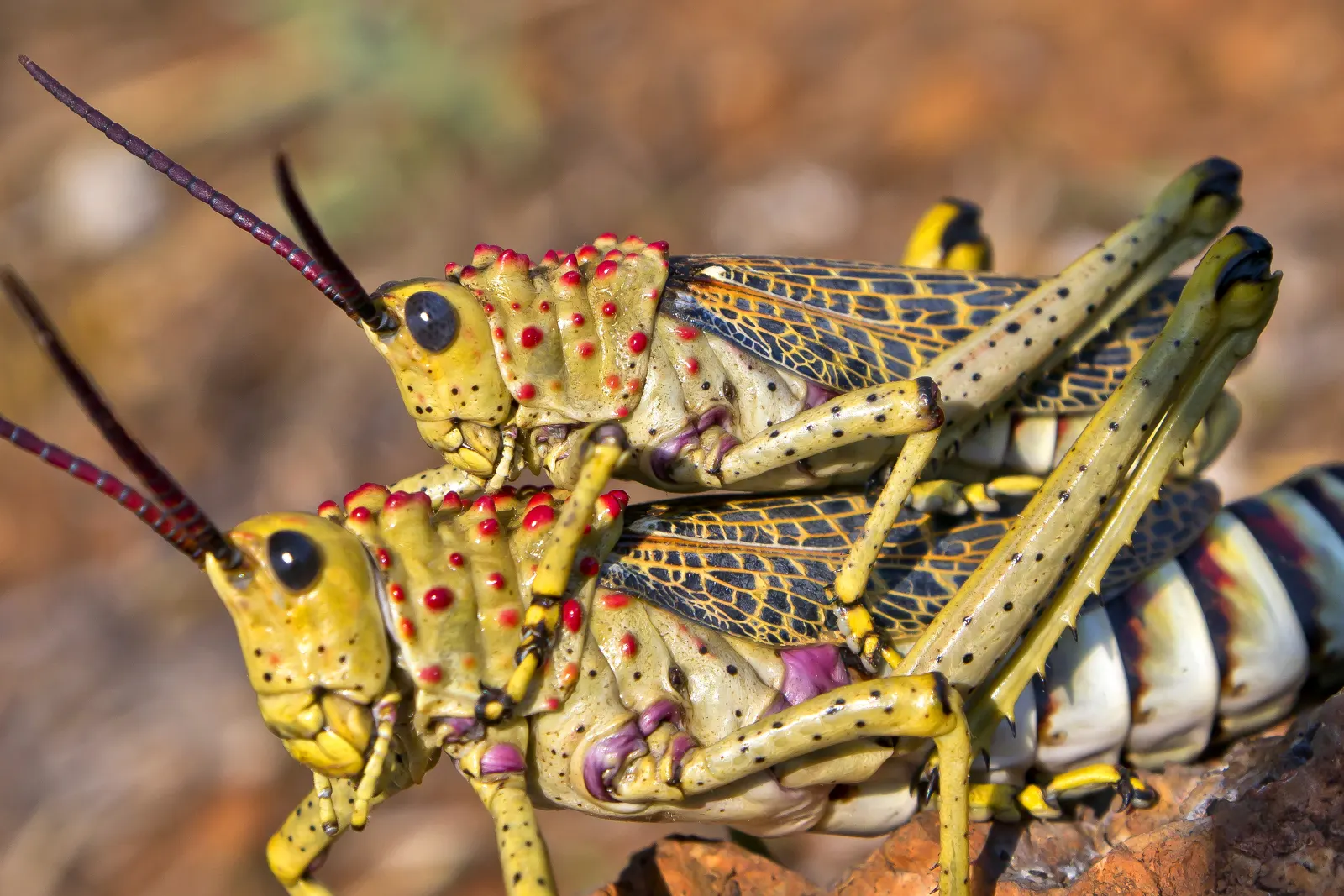
YKAI's baseline surveys in 2021 across three regencies in West Java showed a 40% decline in pollinator diversity on farms lacking natural vegetation along their edges, compared to farms that still had flowering plant corridors.
Programme Goals
The Pollinator Corridors programme aims to restore strips of native flowering plants along Java's farm edges to:
- Provide year-round habitat for local pollinator populations
- Reconnect habitat fragments separated by farmland
- Improve farm productivity through natural pollination services
- Build farmer awareness of the critical role of pollinating insects
Methodology
Site Selection
Corridor sites are selected through GIS analysis of habitat fragmentation rates, remaining pollinator populations, farmer willingness to participate, and potential connectivity between habitat fragments.
Plant Species
Corridors are planted with a mix of native Javan flowering plants chosen to provide nectar and pollen sources throughout the year:
- Lantana camara (Tembelekan) — flowers year-round
- Cosmos sulphureus (Kenikir) — dry season bloomer
- Tithonia diversifolia (Mexican sunflower) — wet season bloomer
- Crotalaria juncea (Sunn hemp) — nitrogen-fixing legume, fast-flowering
- Tagetes erecta (Marigold) — natural pest deterrent, long-flowering
Monitoring
Each corridor is monitored using weekly visual transects, monthly pan-trap sampling, iNaturalist photo documentation, and farmer interviews on yields and perceptions.
Active Sites
West Java — Bogor-Sukabumi Corridor (2022–present)
Stretching 12 km along rice-field edges between Bogor and Sukabumi, this corridor connects three secondary forest fragments. In its first two years, 89 pollinator species were recorded, including 12 wild bee species previously undocumented in this area. Participating farmers reported an average 15% increase in chilli yields after the first year — an early signal that natural pollination services are recovering.
Central Java — Semarang Corridor (2022–2024, completed)
Our first pilot project along farm edges near Semarang. Over two years, the 8 km corridor recorded 54 pollinator species and became the model for replication in other provinces. Data from this project underpins a collaborative publication with Universitas Diponegoro.
Impact
Since launching in 2022, the programme has:
- Planted 3,200 metres of flowering plant corridors
- Recorded 89 species of pollinators along active corridors
- Engaged 47 farmers from 8 villages
- Produced 1 scientific publication with Universitas Diponegoro
- Trained 24 students in pollinator survey techniques
Next Steps
In 2026–2027, the programme will open a new corridor in East Java (Malang-Batu) with Universitas Brawijaya, develop a practical planting guide for farmers, and integrate monitoring data into YKAI's open data platform.
Get Involved
This programme is open for collaboration — we're looking for farmers, researchers, students, and donors. Contact our team via the Contact page or email info@arthropodwelfare.com.
Terlibat